

Core Lithium Secures $120M Lifeline, Locks in Finniss Restart as Market Turns

Key Highlights
- Core Lithium raises $120M equity with strong institutional backing
- Combined funding with partners pushes Finniss restart into fully funded territory
- First production targeted for September quarter 2026
- Placement priced at $0.21, just a 4.5% discount
- Shares trade at $0.205, down 6.82%, amid broader lithium volatility
A turning point in a battered lithium cycle
In a market that has tested even the most resilient lithium producers, Core Lithium has drawn a clear line in the sand.
After months of uncertainty and subdued sentiment across the battery metals sector, the company has secured a $120 million equity raise, effectively unlocking the restart of its Finniss Lithium Operation in the Northern Territory.
This is more than just a capital raise. It marks the transition from survival mode to execution.
A deal that signals confidence, not compromise
The structure of the raise tells its own story.
Core completed a two-tranche institutional placement, with $53 million already secured and a further $67 million pending shareholder approval in late April. The shares were issued at $0.21, only a modest 4.5% discount to the last traded price.
In a depressed lithium market, that pricing stands out.
It suggests that institutional investors are not just participating, but are willing to back the company without demanding heavy discounts typically seen in distressed raises.
Managing Director Paul Brown framed it as a vote of confidence:
“The strong support we have received through this equity raising is a clear endorsement of Core’s restart strategy and the long-term value of the Finniss Operation. Combined with the strategic funding from Glencore, InfraVia and Nebari, this places Core in a fully funded position to execute the restart in line with the FID.”
The bigger funding picture: From uncertainty to certainty
The equity raise does not stand alone.
When combined with the previously secured US$120 million strategic funding package from Glencore, InfraVia and Nebari, Core now holds a fully funded pathway back to production.
This is a critical shift.
In mining, projects stuck in care and maintenance are often valued cautiously. But once funding is secured and timelines are defined, the market begins to price in future production and cash flow instead.
Core has now crossed that threshold.
Finniss: From pause to production
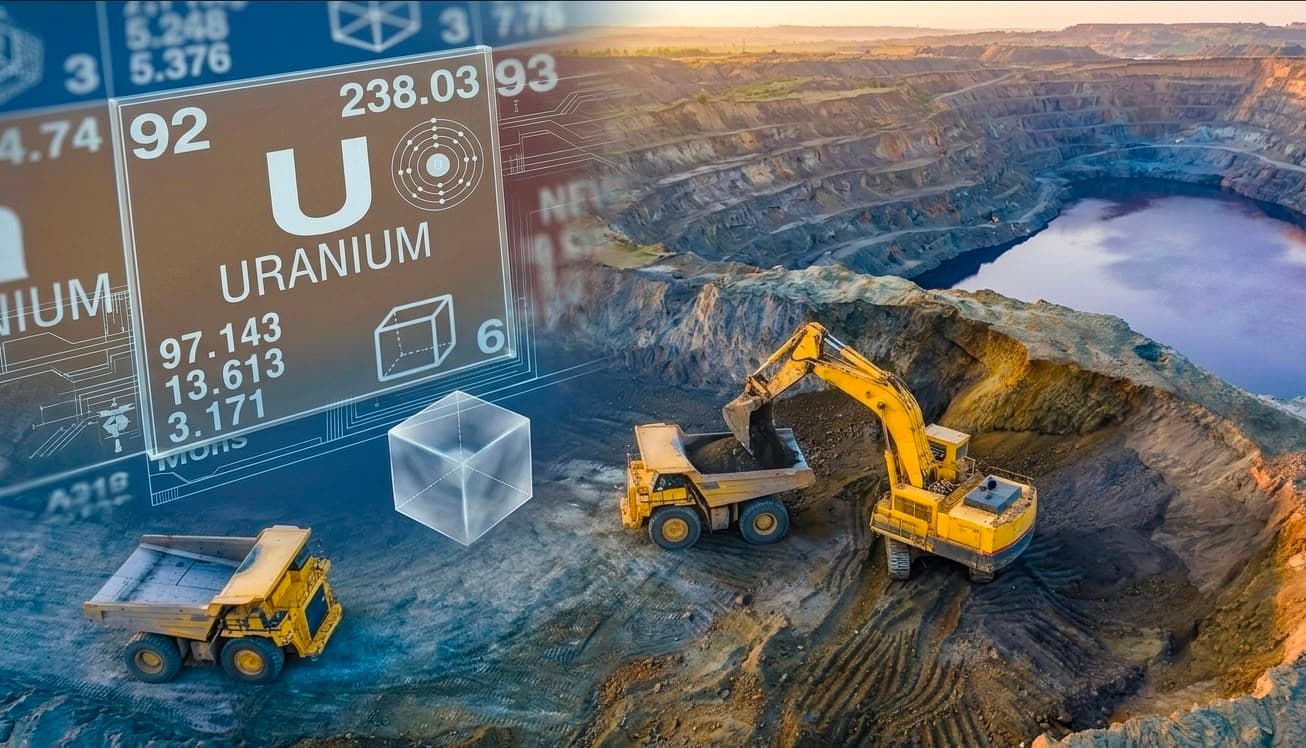
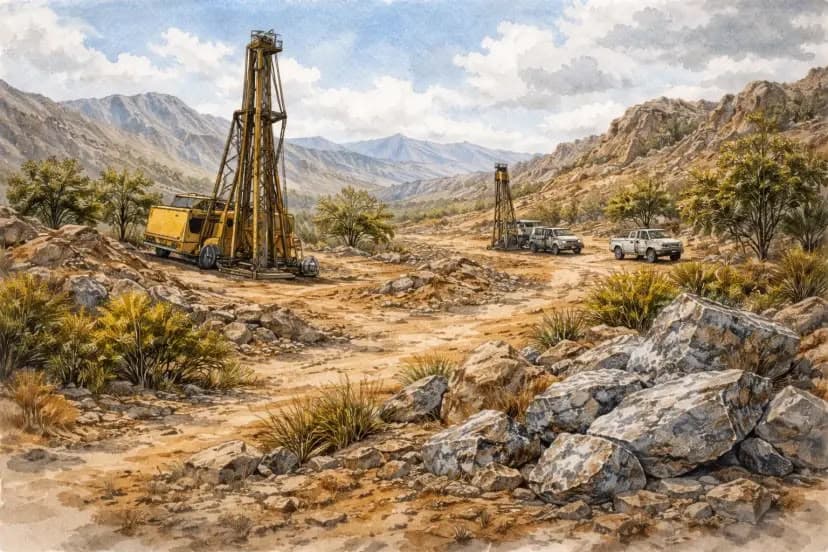
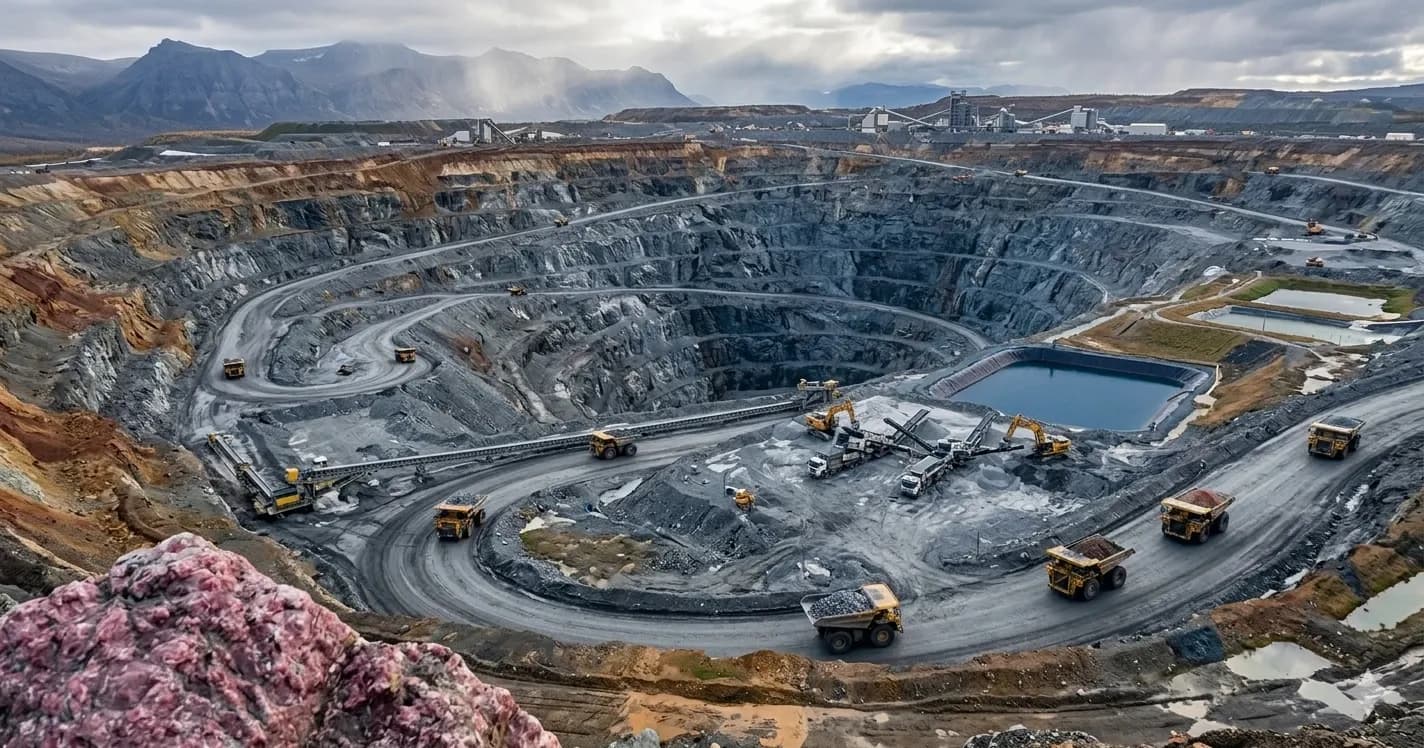
The immediate focus is the BP33 underground development, widely seen as the highest-grade component of the Finniss project.
Funds will be directed toward early works, long-lead equipment procurement, and mobilisation, with activity expected to ramp up quickly.
First spodumene concentrate production is targeted for the September quarter of 2026.
In simple terms, Core is aiming to re-enter the lithium market just as demand is expected to strengthen again.
Timing the cycle: A calculated bet
The lithium sector has been through a sharp correction since its 2022 peak, with prices falling significantly due to oversupply and slower-than-expected EV demand growth.
However, industry forecasts from sources such as the International Energy Agency continue to point toward structural demand growth driven by electrification and battery storage.
The challenge has been timing.
Core’s strategy appears to be built around entering production as the next upcycle begins to take shape, rather than chasing peak prices.
The Glencore factor: Adding weight to the story
One of the more subtle but important aspects of this update is the presence of Glencore and other strategic partners.
Their involvement adds operational credibility and financial backing that smaller producers often lack.
It also reduces execution risk, particularly in a sector where cost overruns and delays are common.
This alignment shifts Core’s profile from a speculative lithium play to a more structured, institutionally supported producer.
Market reaction and stock snapshot
%25201%2520Year%2520STOCK%2520CHART%252019th%2520March%2520.webp)
CXO 1-Year Stock Price Chart | Source: MarketIndex
Stay ahead of the market
The most important stories, delivered to your inbox. No noise, just what matters.
By subscribing, you agree to our Privacy Policy.
Despite the positive funding news, Core Lithium shares were trading at $0.205, down 6.82% on the day, reflecting ongoing volatility in lithium equities.
The company’s market capitalisation sits around $545.8 million, with the stock still well below its previous highs despite a 162.8% gain over the past year.
This disconnect highlights a broader theme in the sector. Operational progress is improving, but market sentiment remains cautious.
What comes next: Key milestones to watch
The path forward is now clearly defined.
Shareholder approval for the second tranche is expected in late April. Following that, the company will move into full mobilisation and development.
On-ground progress at BP33 will be closely watched, along with any signs of lithium price stabilisation.
The most important milestone remains unchanged. First production in the September quarter of 2026 will mark Core’s return as an active producer.
A shift in narrative
For much of the past year, the question around Core Lithium was simple. Could it weather the downturn?
That question has now evolved.
With funding secured and timelines set, the focus shifts to execution and ultimately, profitability.
In a sector defined by cycles, Core’s latest move suggests it is positioning not for where the market is today, but for where it believes it is heading next.
What is your take on this story?
Disclaimer - Skrill Network is designed solely for educational and informational use. The content on this website should not be considered as investment advice or a directive. Before making any investment choices, it is crucial to carry out your own research, taking into account your individual investment objectives and personal situation. If you're considering investment decisions influenced by the information on this website, you should either seek independent financial counsel from a qualified expert or independently verify and research the information.